Mississauga Marriage Counselling Therapy | Psychotherapy | Marriage Counselling Therapist

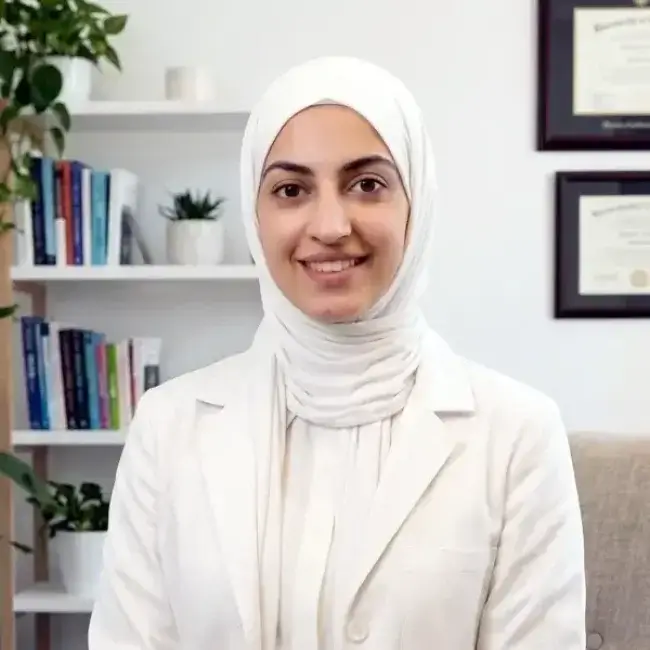
Ebtehal (Ebby) Taqi
Registered Psychotherapist (Qualifying) Accepting New Clients Mississauga and Peel Region
Languages
English
Arabic
Therapy Formats
In-Person Counselling
Online Video Call Therapy
Phone Call Therapy
Ebtehal “Ebby” Taqi is a Registered Psychotherapist (Qualifying) providing psychotherapy and counselling in Mississauga for adults, couples, married partners, and families.
At Mississauga Marriage Counselling, Ebby offers a supportive, respectful, and collaborative environment where clients can discuss emotional concerns, relationship challenges, stressful experiences, and important life changes. Her approach combines compassionate listening with practical therapeutic strategies tailored to each client’s circumstances and goals.
Individual Psychotherapy in Mississauga
Therapy can provide valuable support when emotional or personal challenges begin affecting everyday life, relationships, work, or overall well-being.
Ebby works with clients experiencing concerns such as:
- Anxiety and persistent worry
- Depression and low mood
- Stress and burnout
- Emotional overwhelm
- Low self-esteem and confidence
- Relationship difficulties
- Boundary concerns
- Grief and loss
- Separation
- Family conflict
- Workplace stress
- Major life transitions
- Communication difficulties
- Personal growth concerns
Sessions help clients understand their thoughts, emotional reactions, coping habits, relationship patterns, and personal needs while developing healthier ways of responding to challenges.
Ebtehal “Ebby” Taqi
Registered Psychotherapist (Qualifying)
Anxiety, Stress, and Emotional Well-Being
Anxiety and prolonged stress can affect concentration, sleep, relationships, decision-making, work, and everyday routines.
Ebby helps clients explore patterns connected with worry, overthinking, emotional tension, difficulty relaxing, fear of mistakes, avoidance, and emotional exhaustion.
Therapy may focus on strengthening emotional regulation, developing effective coping strategies, understanding triggers, and creating healthier responses to stressful situations.
Depression and Low Mood Counselling
Periods of depression or low mood can influence energy, motivation, confidence, relationships, and interest in everyday activities.
Ebby provides a compassionate environment for clients to explore sadness, emotional heaviness, negative thinking, social withdrawal, reduced motivation, low confidence, and emotional exhaustion.
Counselling helps clients better understand their experiences, identify patterns contributing to distress, and work toward realistic changes that support emotional wellness.
Couples Counselling in Mississauga
Relationships can experience periods of conflict, distance, misunderstanding, and uncertainty. When communication becomes difficult or the same disagreements continue repeating, couples counselling can provide structured space to address these concerns.
At Mississauga Marriage Counselling, Ebby supports couples experiencing:
- Frequent arguments
- Communication breakdowns
- Emotional disconnection
- Trust concerns
- Resentment
- Feeling unheard or misunderstood
- Difficulty expressing emotional needs
- Different expectations
- Boundary concerns
- Parenting disagreements
- Family pressures
- Intimacy concerns
- Major relationship decisions
- Separation or reconciliation
Therapy provides both partners with an opportunity to express their perspectives while developing a clearer understanding of the patterns affecting their relationship.
Marriage Counselling
Marriage can involve changing responsibilities, emotional needs, parenting decisions, finances, family expectations, and major life transitions. These pressures can sometimes contribute to conflict or emotional distance between partners.
Ebby works collaboratively with married couples to understand what is happening within their relationship and identify meaningful areas for improvement.
Marriage counselling may help partners:
- Communicate concerns more effectively
- Better understand one another’s perspectives
- Identify recurring conflict patterns
- Express emotional needs
- Establish healthier boundaries
- Work through unresolved concerns
- Strengthen emotional connection
- Navigate parenting or family disagreements
- Discuss difficult relationship decisions
- Develop shared relationship goals
Ebby maintains a balanced therapeutic setting where each partner has space to communicate openly and respectfully.
Improving Communication Between Partners
Communication difficulties are often about more than the words being exchanged. Emotional triggers, past experiences, expectations, and established relationship patterns can influence how partners respond to each other.
Therapy helps couples slow down difficult conversations and recognize the cycles contributing to repeated conflict.
Partners can work toward listening more effectively, expressing concerns clearly, responding with greater awareness, communicating needs respectfully, and approaching disagreements more constructively.
Family Counselling
Relationship challenges can also extend into the wider family. Ebby supports families experiencing ongoing tension, communication problems, changing family roles, separation, grief, cultural or generational differences, and major transitions.
Family counselling may address:
- Parent and adult-child conflict
- Family communication difficulties
- Separation and divorce
- Blended-family concerns
- Changing responsibilities
- Boundary difficulties
- Cultural and generational differences
- Grief and loss
- Emotional distance
- Recurring disagreements
Sessions provide family members with opportunities to share different perspectives while working toward clearer communication, healthier boundaries, and greater mutual understanding.
Ebby’s Therapeutic Approach
Ebby uses an integrative approach to psychotherapy, selecting therapeutic strategies according to each client’s needs, experiences, and goals.
Her work may incorporate several evidence-informed approaches.
Cognitive Behavioural Therapy (CBT)
CBT examines relationships between thoughts, emotions, and behaviours. It can help clients identify patterns contributing to anxiety, stress, negative thinking, low self-esteem, avoidance, and other emotional difficulties.
Acceptance and Commitment Therapy (ACT)
ACT encourages greater psychological flexibility and helps clients identify personal values. Clients learn ways of responding differently to difficult thoughts and emotions while making choices that support meaningful goals.
Dialectical Behaviour Therapy (DBT)
DBT-informed strategies can support clients who experience intense emotions or interpersonal difficulties. Areas of focus may include emotional regulation, distress tolerance, mindfulness, communication, coping skills, and interpersonal effectiveness.
Solution-Focused Brief Therapy (SFBT)
SFBT emphasizes strengths, existing resources, achievable goals, and practical solutions. Clients explore what is already working while identifying realistic steps toward desired changes.
Therapy Personalized to Your Goals
At Mississauga Marriage Counselling, therapy is tailored to the person or relationship rather than following the same approach for everyone.
Depending on individual or relationship needs, therapy may focus on:
- Reducing emotional overwhelm
- Managing anxiety and stress
- Understanding emotional triggers
- Developing healthier coping skills
- Improving communication
- Strengthening relationships
- Establishing healthier boundaries
- Increasing confidence and self-esteem
- Resolving recurring relationship patterns
- Improving emotional awareness
- Navigating significant life changes
- Clarifying personal or relationship goals
- Making difficult decisions
Goals are reviewed throughout therapy and can change as clients make progress or encounter new circumstances.
Culturally Responsive Counselling
Culture, faith, family traditions, community expectations, immigration experiences, and personal values can influence how people understand relationships and emotional well-being.
Ebby approaches these areas with curiosity and respect. Clients are encouraged to discuss cultural, spiritual, family, generational, and personal experiences that are important to understanding their circumstances.
Therapy aims to respect each client’s identity and lived experiences without making assumptions.
A Respectful and Nonjudgmental Environment
Discussing marriage, relationships, family conflict, or emotional struggles can feel deeply personal.
At Mississauga Marriage Counselling, Ebby works to create an environment grounded in privacy, empathy, respect, collaboration, and trust.
Her therapeutic practice emphasizes confidentiality, informed consent, professional boundaries, cultural sensitivity, emotional safety, and client autonomy.
What to Expect During Your First Appointment
The first sessions are an opportunity to understand what has brought you to therapy and what you hope to accomplish.
Ebby may ask about current concerns, important relationships, recurring challenges, relevant past experiences, current stressors, coping strategies, and the changes you would like to see.
There is no expectation to address everything immediately. Therapy develops gradually and respects each client’s comfort level and priorities.
Collaborative Treatment Planning
After understanding your concerns, Ebby works with you to identify meaningful and realistic therapy goals.
For couples and married partners, these goals might involve improving communication, reducing recurring conflict, strengthening emotional connection, rebuilding trust, establishing boundaries, navigating family pressures, or making important relationship decisions.
For individual clients, goals may include managing anxiety, increasing confidence, developing healthier coping strategies, processing difficult experiences, or adjusting to significant life changes.
Registered Psychotherapist (Qualifying)
As a Registered Psychotherapist (Qualifying), Ebby provides psychotherapy in accordance with the professional and ethical responsibilities associated with her registration status.
Her practice includes ongoing clinical supervision and professional development, supporting responsible and client-centred therapeutic care.
Meet Ebby at Mississauga Marriage Counselling
Ebtehal “Ebby” Taqi provides psychotherapy and counselling in Mississauga with an approach centred on empathy, collaboration, cultural responsiveness, and practical therapeutic strategies.
She works with individuals experiencing emotional challenges, couples seeking healthier relationship patterns, married partners wanting to improve communication and connection, and families navigating conflict or significant changes.
Book Marriage Counselling in Mississauga
If communication has become difficult, recurring disagreements remain unresolved, or you and your partner want to strengthen your relationship, Mississauga Marriage Counselling provides a supportive setting to explore these concerns together.
Book an appointment with Ebtehal “Ebby” Taqi, Registered Psychotherapist (Qualifying) for marriage counselling, couples counselling, individual psychotherapy, or family therapy in Mississauga.
Our Services
Couples Therapy
- Strengthening communication
- Resolving recurring conflicts
- Rebuilding emotional connection
- Improving intimacy and trust
Conflict Resolution
- Managing anger and resentment
- Healthy communication during disagreements
- Reframing blame and criticism
- Identifying destructive patterns
Pre-Marital Counselling
- Setting expectations before marriage
- Discussing values, roles, and goals
- Planning for parenting, finances, and shared responsibilities
Marriage Crisis Support
- Affair recovery / infidelity counselling
- Emotional disconnection or detachment
- Coping with betrayal, lies, or trust breakdowns
Family & Parenting Challenges
- Navigating parenting differences
- Blended family adjustment
- Role strain between partners
Emotional & Mental Health Support
- Addressing anxiety, depression, or past trauma within the marriage
- Co-dependency patterns
- Personal growth and emotional regulation
Communication Skills Training
- Active listening techniques
- Assertiveness vs. passiveness
- Learning to express needs clearly and respectfully
Individual Counselling
- Helping each partner explore personal triggers and responses
- Supporting individual self-awareness to improve relationship dynamics
Mindfulness & Stress Management for Couples
- Tools to reduce tension in the relationship
- Practices for staying calm and connected during conflict
Separation & Divorce Counselling
- Navigating peaceful separation if needed
- Co-parenting support during divorce
- Closure and emotional processing